AI convenience comes with environmental costs

[et_pb_section fb_built=”1″ theme_builder_area=”post_content” _builder_version=”4.27.4″ _module_preset=”default” custom_padding=”0px|||||”][et_pb_row _builder_version=”4.27.4″ _module_preset=”default” theme_builder_area=”post_content”][et_pb_column _builder_version=”4.27.4″ _module_preset=”default” type=”4_4″ theme_builder_area=”post_content”][et_pb_text _builder_version=”4.27.4″ _module_preset=”default” theme_builder_area=”post_content” hover_enabled=”0″ sticky_enabled=”0″]

Artificial intelligence has quickly become part of everyday life. Students use it to generate ideas, workers rely on it to complete tasks faster, and companies continue to expand AI systems across industries. The technology feels instant, simple and easy to access. 

What many people do not see, however, is the environmental impact behind that convenience. AI tools depend on large data centers filled with powerful servers running continuously. These systems require major amounts of electricity and water, raising questions about sustainability as AI use grows. 

The International Energy Agency reported that data centers worldwide consumed about 460 terawatt-hours of electricity in 2022. The agency also projects that electricity demand from data centers could more than double by 2026, driven partly by the rapid growth of AI applications (International Energy Agency, “Electricity 2024”). 

Electricity use matters because much of the world still depends on fossil fuels for energy production. As AI becomes more widespread, the energy required to support it adds pressure to power grids and increases emissions in many regions. 

Water use is another concern that is often overlooked. Data centers generate significant heat, and many facilities rely on water-based cooling systems to prevent overheating. Researchers at the University of California, Riverside, examined AI’s water footprint and found that even short AI interactions can indirectly consume water depending on where the data centers operate and how cooling is managed (Li et al., 2023, “Making AI Less Thirsty,” UC Riverside). 

Technology companies have also acknowledged these growing demands. Microsoft reported that its total water consumption increased in 2022, partly due to expanding data center operations to support AI workloads (Microsoft Environmental Sustainability Report, 2023). 

None of this means artificial intelligence should be dismissed. AI has useful applications in research, education, and efficiency, and it may even contribute to sustainability solutions in areas such as energy forecasting or climate science. At the same time, it is important to recognize that these tools come with real environmental costs. 

AI is often presented as invisible and effortless, but it depends on physical infrastructure, constant computing, and large-scale resource use. Most users never think about the electricity or water required behind a simple prompt. 

As AI becomes more integrated into daily routines, the conversation should expand beyond innovation alone. Companies should be transparent about resource consumption, and researchers should continue developing more efficient systems. Users should also think critically about how often and why these tools are being used. 

Artificial intelligence is shaping the future, but sustainability must remain part of that future as well. Convenience should not replace responsibility. If AI continues to grow, its environmental footprint should remain part of the public discussion.

[/et_pb_text][/et_pb_column][/et_pb_row][/et_pb_section]

Meanings of Love

[et_pb_section fb_built=”1″ theme_builder_area=”post_content” _builder_version=”4.27.4″ _module_preset=”default” custom_padding=”0px|||||”][et_pb_row _builder_version=”4.27.4″ _module_preset=”default” theme_builder_area=”post_content”][et_pb_column _builder_version=”4.27.4″ _module_preset=”default” type=”4_4″ theme_builder_area=”post_content”][et_pb_text _builder_version=”4.27.4″ _module_preset=”default” theme_builder_area=”post_content” hover_enabled=”0″ sticky_enabled=”0″]

The Ancient Greeks had several different kinds of love. The kinds that are commonly celebrated on the day of love, also known as Valentine’s Day, are Eros, Ludus, and Pragma. Respectively, these words refer to passionate love, playful love, and enduring love. However, a day to celebrate love in the modern day should be more than a day for couples and should include the other kinds of love too.  

The day was originally called Lupercalia, an ancient Roman festival of purification and fertility, which dates back to 500 BC. Pope Gelasius I officially determined Feb. 14 as St. Valentine’s Day in 496 AD. According to tradition, Valentine refused to obey the Emperor Claudius’ command that banned young men from getting married. Emperor Claudius thought single men would make better soldiers, and the Roman legions proved central to imperial power. So, he outlawed marriage for young people. Valentine believed in the institution of biblical marriage, and he started secretly performing weddings for couples, which led to him being arrested and killed.  

However, while the day started as a day for couples, messages to love yourself seem hollow with so much commercialism focused on marketing towards couples. At some point, all the hype, panic, and anger towards others on a day meant for love makes all of it nothing more than uncontrollable, obsessive love; Mania, as the Greeks called it.  

Philautia is the kind to focus on most if you are ever lonely on Feb.14, every other day of the year too. Philautia is described as self-love and is one of the main things the Greek Goddess Aphrodite is worshipped for in the modern day. Loving yourself is the first step in finding a healthy and sustainable relationship.  

A study published through Utah State University suggests that having confidence in yourself can be attractive to potential romantic partners. More importantly, you will be happier, have more initiative, and feel more optimistic about the world, according to an article published by Science Direct.  

Love for yourself can come in many forms. Some people find that journaling about their day and how things made them feel can be helpful for them. A good start for anyone is giving a genuine, heartfelt compliment to yourself while looking at yourself in the mirror. When you can be kind to yourself, loving others can be easier.  

Love is universal and touches all parts of your life. A day of love should be celebrated as such.  

[/et_pb_text][/et_pb_column][/et_pb_row][/et_pb_section]
Origins of Current American Ideologies 

[et_pb_section fb_built=”1″ theme_builder_area=”post_content” _builder_version=”4.27.4″ _module_preset=”default” custom_padding=”0px|||||”][et_pb_row _builder_version=”4.27.4″ _module_preset=”default” theme_builder_area=”post_content”][et_pb_column _builder_version=”4.27.4″ _module_preset=”default” type=”4_4″ theme_builder_area=”post_content”][et_pb_text _builder_version=”4.27.4″ _module_preset=”default” theme_builder_area=”post_content” hover_enabled=”0″ sticky_enabled=”0″]

Liberal and conservative are labels that get thrown around a lot, especially in today’s America. Democrats are typically viewed as liberals while Republicans are seen as conservative. But what do these words even mean, and were the parties always this way? In order to answer the former question, the latter must be tackled first. 

During the Roaring Twenties, America was dominated by the Republican Party. Harding, Coolidge, and Hoover were all Conservative Republicans, and generally supportive of free markets and limited regulation. They were contrasted by the Progressive Republicans who were supporters of former President Teddy Roosevelt and supported increased regulation and government safety nets. The great depression would eventually end republican dominance, leading to Progressive Democrat Franklin Delano Roosevelt winning four elections in a row. FDR created social security, regulated the economy, and created public works projects. Labor unions, religious and ethnic minorities, and urbanites all supported what was called the New Deal. FDR in his later years would call for an Economic Bill of Rights, calling for rights to income, food, water, shelter, education, and healthcare just to name a few. After his death these ideas would be forgotten. 

In 1948, it seemed as if the Democrats would lose. Truman, a liberal was seen as too conservative by some Democrats leading progressives to split off during the election. Segregationist Democrats angered by the party’s platform including civil rights also broke away. Republicans were led by Thomas Dewey, a liberal who supported some government programs as long as debt was under control and was supportive of civil rights. This contrasted conservative Robert Taft, who fully opposed the new deal and was an anti-interventionist. Truman ended up winning to the shock of many.  

The 1950s and ‘60s would be dominated by Civil Rights as both parties supported it in various forms, with the exception of Southern Democrats and the few Southern Republicans in congress. Under Eisenhower, the New Deal would largely be kept, and progress would be made on civil rights. By 1960, both parties had almost the exact same platform. Both supported civil rights, hawkishness towards the soviets, and roughly the same economic program. 

JFK would end up winning over Nixon, and would, of course, be assassinated, with LBJ taking over and passing further civil rights and voting rights. In 1964, Republicans nominated Barry Goldwater, a member of the new right who opposed new deal programs and the civil rights act for regulating business. This was opposed to Nelson Rockefeller, a Liberal Republican who supported Civil Rights and many aspects of the New Deal. Goldwater would lose but do something no Republican had done in almost a century: Win in the deep south. Nixon would run again in 1968, this time winning in the face of a divided Democratic party, who again split over civil rights. Nixon then would resign in 1974, and in 1976, Jimmy Carter, a Moderate Democrat, would be elected. 

Carter was the first president to begin deregulation, which would be continued and super charged under Ronald Reagan. Reagan was very much aligned with the new right, along with allying with social conservative who opposed abortion and gay rights, and supported traditional values and Warhawks, who sought a bigger defense budget. Republicans would dominate the ‘80s while Democrats would begin to abandon many New Deal ideals in favor of further deregulation. This would culminate in Bill Clinton, a Centrist “Third Way” Democrat winning in 1992. Third Way democrats were fiscally conservative and supported free trade and welfare reform, all while still wanting a social safety net and some regulation. Reagan and Clinton, and to a lesser extent, Carter, were all Neoliberals, which meant privatization, deregulation, and fiscal conservatism. The main difference between the parties increasingly came in the form of social issues with Republicans supporting traditional values like opposing abortion and gay marriage, while democrats supported expanded civil rights and gay rights. 

Things largely stayed the same until the Great Recession, which has led to a populist revival of sorts in both parties. With the Democrats, this has led to the rise of Bernie Sanders, AOC, and more recently Zohran Mamdani, who all identify, at least in part, as a socialists. But actually, looking at their platforms, we see no more than the return of New Deal politics to the Democratic Party and the embracing of Progressivism.  


Not all Democrats are turning to Progressive ideology, with most seeking a middle ground between Third Way ideology and Progressives in the party. Meanwhile, Republicans under Trump have embraced tariffs, limits on immigration, and a harder line on social issues. But Trump, like past Republicans, supports deregulation, lower taxes, and cuts to welfare.  

It becomes clear that the parties have changed from a century ago and trying to ignore that is plain ignorance. Liberals in America are socially liberal, supporting abortion rights, gay rights, and the rights of immigrants, while some believe in expanding welfare, taxes on the rich, and universal healthcare. Others are more moderate on those issues. Conservatives in America are more socially conservative wanting a rollback of abortion rights, gay rights, and the rights of immigrants and cutting regulation and welfare.  

These words are not just labels, but actual ideologies that have underpinnings in American history. 

[/et_pb_text][/et_pb_column][/et_pb_row][/et_pb_section]

High Interest rates can affect credit scores for college students

[et_pb_section fb_built=”1″ theme_builder_area=”post_content” _builder_version=”4.27.4″ _module_preset=”default” custom_padding=”0px|||||”][et_pb_row _builder_version=”4.27.4″ _module_preset=”default” theme_builder_area=”post_content”][et_pb_column _builder_version=”4.27.4″ _module_preset=”default” type=”4_4″ theme_builder_area=”post_content”][et_pb_text _builder_version=”4.27.4″ _module_preset=”default” theme_builder_area=”post_content” hover_enabled=”0″ sticky_enabled=”0″]

Many college students begin using credit without fully understanding how interest rates and APR can affect them later. APR, or annual percentage rate, is the yearly cost of borrowing money, and when it is high, even small balances can become expensive over time. 

I used to think borrowing was mostly about whether I could afford the monthly payment. If the payment looked reasonable, I assumed everything would be fine. But life does not always go as planned, especially when unexpected situations happen. 

After dealing with a recent car accident and the stress of repairs, I realized how quickly finances can become overwhelming. Even with insurance, costs still come up right away, such as deductibles and surprising mechanical issues. In moments like that, it becomes easy to rely on credit just to handle an emergency. 

That is where high interest becomes a problem. Many students do not realize how fast interest adds up because it happens quietly in the background. A credit card might have a 24% APR, which means the monthly interest rate is about 2%. If someone charges $800 for an unexpected expense, that balance can gain about $16 in interest in just one month. 

It may not seem like much at first, but when you are already balancing rent, groceries, tuition and family responsibilities, it becomes harder to pay off quickly. If you can only make the minimum payment, the balance stays longer, and interest continues to build. That is how a short-term emergency can turn into a long-term debt. 

High interest rates also affect credit scores, which many students do not think about until it becomes an issue. Credit scores are influenced by payment history, credit usage, and overall debt. When balances stay high because of interest, credit utilization increases, and that can lower a score even if payments are being made. 

Credit utilization is found by dividing the balance by the credit limit. For example, an $800 balance on a $1,000 limit is 80% utilization. Financial experts often recommend staying below 30%. High utilization can lower a score and make future borrowing more expensive. 

Late payments can cause even more damage. Missing one payment because of an emergency or unexpected bills can hurt a score and lead to additional fees or higher interest rates. 

Credit scores matter more than people realize. They can affect renting an apartment, financing a car, and sometimes even job background checks. For college students trying to build stability, one financial emergency combined with high interest can have effects that last for years. 

Many young adults are introduced to credit during college through credit card offers or financing plans that seem manageable in the moment. But the long-term cost is not always clear when students are focused on getting through the semester. 

Understanding APR, interest rates, and credit scores can help students make smarter choices before debt becomes difficult to manage. The question should not only be whether a payment fits into a monthly budget, but how much borrowing will cost over time and what it could mean for the future. 


Formulas students can use to understand interest and credit: 

Monthly Interest Rate = APR ÷ 12 

Example: 24% ÷ 12 = 2% per month 

Monthly Interest Charged = Balance × Monthly Rate 

Example: $800 × 0.02 = $16 added in one month 

Credit Utilization = Balance ÷ Credit Limit 

Example: $800 ÷ $1,000 = 80% utilization 

Experts often recommend keeping utilization below 30% to help maintain a healthy credit score.

[/et_pb_text][/et_pb_column][/et_pb_row][/et_pb_section]
Importance of creativity in a world that undervalues it

[et_pb_section fb_built=”1″ theme_builder_area=”post_content” _builder_version=”4.27.4″ _module_preset=”default” custom_padding=”0px|||||”][et_pb_row _builder_version=”4.27.4″ _module_preset=”default” theme_builder_area=”post_content”][et_pb_column _builder_version=”4.27.4″ _module_preset=”default” type=”4_4″ theme_builder_area=”post_content”][et_pb_text _builder_version=”4.27.4″ _module_preset=”default” theme_builder_area=”post_content” hover_enabled=”0″ sticky_enabled=”0″]

When people think of creativity, it is often cast aside as only useful for things like art. Creativity is written off too often, even though it is behind every solution to a problem, not just creating something artistic. There is research showing that companies who employ creativity in their everyday practices are more productive and innovative than companies who do not. One such study being titled Positive Impact, Creativity, and Innovative Behavior at Work, which can be found on the National Library of Medicine website.  

It has been seen repeatedly in schools, office buildings, and the like, that when you make room for creativity or employ creative solutions to problems, you are able to get longer lasting and more effective solutions. According to The Center for Conscious Design, when some companies had problems with lack of productivity in the latter half of the day, having a napping, meditation, or focus room in the building available for those who need it increased productivity.  

Some places have found that having creative, colorful decor, or furniture instead of the clinical white, grey, black, or beige seen in most modern interior design can vastly improve your mood. An article titled In the mood for creativity: Sunshine-induced mood, inventor performance, and firm value from Science Direct says that improved mood often leads to increased motivation, productivity, and creativity.  

Creativity is often taken out of learning in favor of a cookie cutter monotonous approach where memorization and regurgitating information is more important. School does not have to be somewhere children feel they have to call a prison but can be a place of innovation and exploring new ideas.  

In a study done by Crayola, 92% of children who were polled said that creativity boosted their confidence. It is more important than ever to include creativity in your daily life.  

Creativity has long been an outlet for many people seeking to release their pent-up emotions, positive or negative, and has been adapted into various methods of therapy to treat mental illnesses in all age groups. Music therapy, art therapy, dance/movement therapy, etc. are all notable examples of this. 

Innovation and productivity start with creativity and end with creativity. Sometimes having a creative career, however, can lead to something called burnout. This happens when you have pushed yourself too hard without taking a break to rest can make you feel tired emotionally, feeling negative towards everything around you, and a significant loss in productivity or motivation. It affects more than just artists or writers; people like office workers suffer from it too.  

When society decides to devalue the skill of creativity, it raises the question of everything we lost. Some argue it is not worth your time to invest in creative skills, but when it is decided it is not worth our time, we lose valuable crafts and trades that once supported our society. 

[/et_pb_text][/et_pb_column][/et_pb_row][/et_pb_section]
Three Super Bowl Commercials on top

[et_pb_section fb_built=”1″ theme_builder_area=”post_content” _builder_version=”4.27.4″ _module_preset=”default” custom_padding=”0px|||||”][et_pb_row _builder_version=”4.27.4″ _module_preset=”default” theme_builder_area=”post_content”][et_pb_column _builder_version=”4.27.4″ _module_preset=”default” type=”4_4″ theme_builder_area=”post_content”][et_pb_text _builder_version=”4.27.4″ _module_preset=”default” theme_builder_area=”post_content” hover_enabled=”0″ sticky_enabled=”0″]

Ever since the first Super Bowl aired in 1967, businesses from across the country (and beyond, in some instances) have paid top dollar to air commercials during the game. As the years have gone by, these commercials have gotten bigger and more memorable, featuring big-name celebrities and funny skits to get their products in your homes. With the Super Bowl coming soon, I figured I’d take a second to talk about some of my favorite commercials. Since the span of these commercials is massive enough to seat everyone at MetLife Stadium, I’ll be focusing on commercials from 2000 onward, since Super Bowl XXXIV. 

At Number Three, I have Walmart’s “Famous Cars” commercial from Super Bowl LIII. The year was 2019, and Walmart was advertising curbside pickup about a year before the COVID-19 pandemic. To pull this off, they showed numerous different cars from across fiction coming to pick up their groceries, as well as bringing some of the series with them to the parking lot. Such examples include KITT from Knight Rider calling somebody Michael, Slimer of Ghostbusters fame chowing down on groceries in the trunk of the Ecto-1, and even Bumblebee from Transformers rolls out to grab some groceries, converting into a Volkswagen Beetle. With its famous faces, slick references, and the somewhat eerie timing of the commercial, this one left a burning impact on me, enough to make it into the top 10. 

Coming in at Number Two is the Snickers “Betty White” commercial. Have you ever seen commercials where someone just isn’t themselves without eating a Snickers bar? Like when a single man was trapped in Joe Pesci’s body? How about when Willam DeFoe pulled a Marilyn Monroe? Well, Super Bowl XLIV in 2010 was where this famous series of commercials got its start. It’s a friendly game of non-professional football, except one player, Mike, isn’t playing like himself. Why? Well, that’s because he’s Betty White. However, his girlfriend gives White a Snickers Bar, and asking if he feels better, Mike is now an actual football player and gets back in the game, only for another player to become Abe Vigoda. Funny, iconic, and it was nominated for an Emmy. 

And finally, rounding out this all-star team, is my number one pick of commercials this century, which goes to the E*TRADE’s “Baby.” The well-known wisecracker in a onesie come to life at Super Bowl XLII in 2008, when I myself was a baby, where he starred in two commercials- “Baby,” which was his big debut, and “Clown,” where he spent his earnings from E*TRADE on a clown named Bobo, whom the baby felt creeped out by. Since then, the million-dollar baby appeared in numerous commercials, but then he vanished. However, during 2022’s Super Bowl LVI, two agents and a helicopter pilot- also a baby and one of the E*TRADE baby’s pals- found him living a quiet life off the grid. Although hesitant at first, the baby jumped back in the fray once he learned that people were receiving spending advice from memes. Armed with financial knowledge, an eternal youth that shows anyone can invest, and a mouth that would make Deadpool kneel before him, E*TRADE’s Baby will forever be an icon, and will forever remain my top pick of commercials. 

Feb. 8 marks Super Bowl LX, where the New England Patriots and the Seattle Seahawks are set to clash in a Super Bowl rematch almost 10 years in the making, and along with it will come a new wave of commercials. Names like Totino’s, Avocados from Mexico, and Skittles are just a few of the brands you can expect to see going on the air. Will these new commercials go down in history with some of the greats listed in this article? Will they fumble and be inducted into the Hall of Shame? Only time and the people’s voices will tell.

[/et_pb_text][/et_pb_column][/et_pb_row][/et_pb_section]
When the Signal Went Silent

[et_pb_section fb_built=”1″ theme_builder_area=”post_content” _builder_version=”4.27.4″ _module_preset=”default” custom_padding=”0px|||||”][et_pb_row _builder_version=”4.27.4″ _module_preset=”default” theme_builder_area=”post_content”][et_pb_column _builder_version=”4.27.4″ _module_preset=”default” type=”4_4″ theme_builder_area=”post_content”][et_pb_text _builder_version=”4.27.4″ _module_preset=”default” theme_builder_area=”post_content” hover_enabled=”0″ sticky_enabled=”0″]

For many people, including myself as a student, an employee, and a mom, Wednesday, Jan. 14 is a day I won’t forget. 

Not because anything dramatic happened on campus, but because something very simple suddenly stopped working. My phone. No calls. No texts. No internet. 

At first, I thought it was just my phone acting up. I turned it off, turned it back on, checked my signal, and waited. Nothing changed. Then I noticed the word “SOS” at the top of my screen. I didn’t know what that meant. 

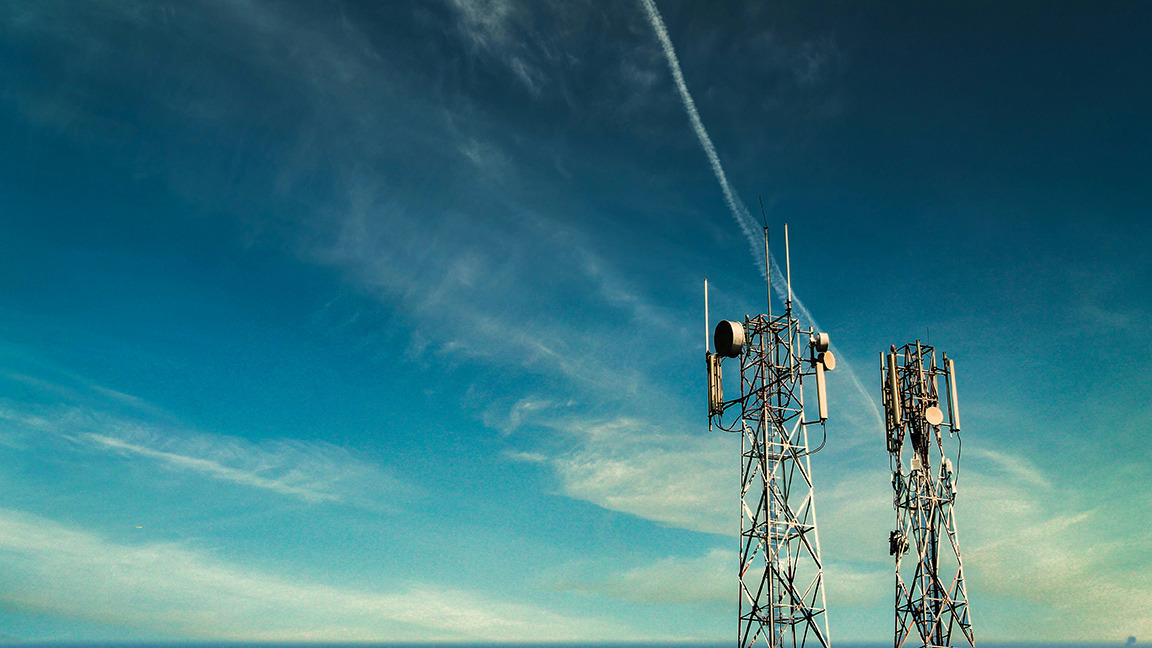
Later, I found out that when a phone shows “SOS,” it means it can’t connect to its own carrier anymore. Verizon’s network had gone down, so phones couldn’t find their usual signal. When that happens, the phone switches into an emergency mode. It stops regular calls and messages, but it keeps looking for any nearby signal from another company so that a 911 call might still work. 

Basically, my phone was telling me that I was no longer connected to the network. That made the situation feel a lot more serious. 

As a student, my phone is how I check emails from professors, keep track of assignments and talk with classmates. As an employee, it’s how I stay in touch with my supervisor and coworkers. But as a mom, it’s how I make sure my kids are okay. 

And suddenly, I couldn’t check on them. I couldn’t call their school. I couldn’t reach a babysitter. I couldn’t text a family member. For hours, I had no way of knowing if everything was fine. That was the hardest part. It wasn’t just that I was bored or disconnected from social media. I felt cut off from my responsibilities and from the people who matter most to me. 

Later, I learned that this wasn’t just happening here. Across the country, millions of Verizon customers lost service at the same time. Phones in big cities and small towns switched into “SOS” mode. Parents couldn’t reach their kids. People couldn’t contact elderly parents. Workers missed important calls. Students missed class updates. In some places, people even showed up at Verizon stores just trying to figure out what was going on. 

Verizon later said the problem was caused by a technical issue inside its network, possibly something related to software or how calls and data were being routed. To most of us, the technical details didn’t matter much. What mattered was the silence. What surprised me most was how quiet everything suddenly felt. 

We’re so used to being connected all the time. Our phones are always nearby, always buzzing, always keeping us in touch with someone. When that stopped, even for a few hours, it felt strange and uncomfortable. The outage made me realize how much we depend on this one invisible system. 

Phones aren’t just for scrolling anymore. They’re our alarms, our calendars, our classrooms, and our lifelines. Most of us don’t memorize phone numbers anymore. We don’t have backup plans for how to reach our families if something goes wrong. When the network failed, we were completely unprepared. For a moment, it felt like the world slowed down. 

Some people said it was nice to take a break from technology. In a small way, I understood that. I noticed people talking more, looking up from their screens, and paying attention to the people around them. But for many of us, the outage didn’t feel peaceful. It felt stressful. What if there had been an emergency? What if my child needed me? What if someone important had tried to call and couldn’t reach me? Communication isn’t optional anymore. It’s part of how we work, learn, and take care of each other. 

When service finally came back and Verizon apologized, I felt relieved. But I also felt changed by the experience. That day reminded me how fragile our connection to the world really is and how quickly it can disappear. When the signal went silent, the world felt smaller. And for a little while, much lonelier.

[/et_pb_text][/et_pb_column][/et_pb_row][/et_pb_section]
Predicting the 68th Grammy Awards

[et_pb_section fb_built=”1″ theme_builder_area=”post_content” _builder_version=”4.27.4″ _module_preset=”default” custom_padding=”36px|||||”][et_pb_row _builder_version=”4.27.4″ _module_preset=”default” theme_builder_area=”post_content”][et_pb_column _builder_version=”4.27.4″ _module_preset=”default” type=”4_4″ theme_builder_area=”post_content”][et_pb_text _builder_version=”4.27.4″ _module_preset=”default” theme_builder_area=”post_content” hover_enabled=”0″ sticky_enabled=”0″]

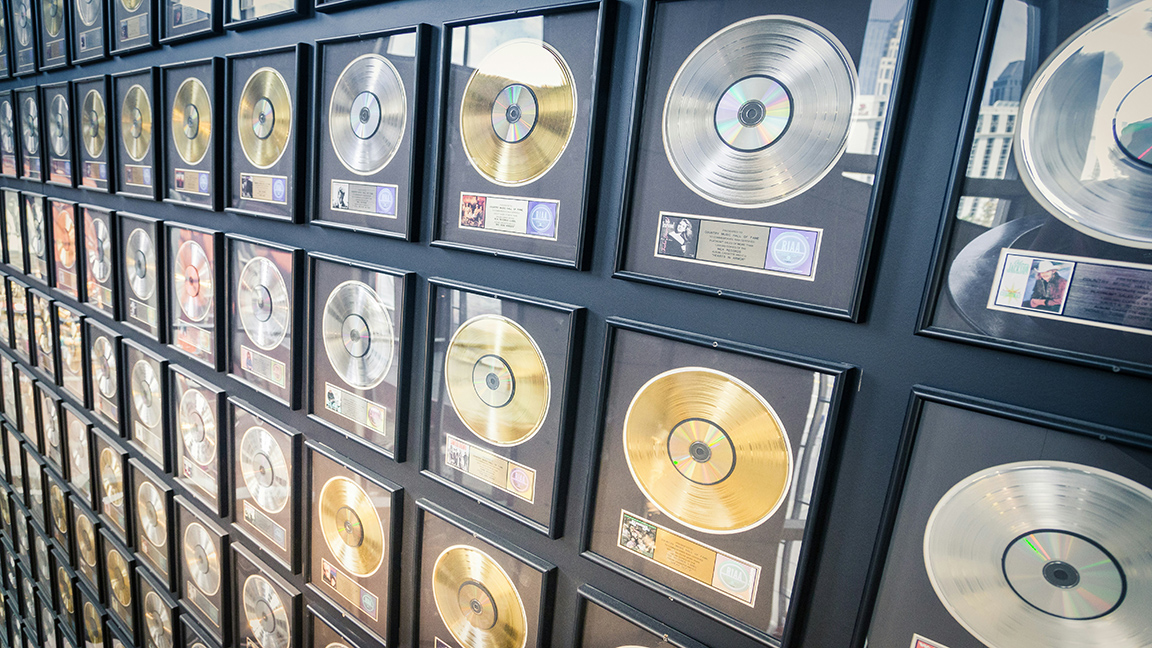
Since the dawn of humanity, music has existed to serve a variety of purposes- to worship religious symbols, to express feelings, to tell stories; the list goes on. Fast forward to the present day, where not only is music still alive and kicking, but people are able to make careers off of it. It is to recognize those musicians that the Grammy Awards exist. Feb. 1, 2026 marks the 68th time that the Grammys will be handed out, and it’s all happening in Los Angeles. Since I decided to share some of my Game Awards predictions a while back, I figured I’d give the Grammys a shot and make some predictions. 

This year’s field is full of talent being recognized, with a massive 497 nominations across 95 categories, filtered into 12 fields based on genre. While I plan on making predictions for all categories, I have my eyes on the “Big Four,” which are the four biggest categories not just in the General Field, but at the ceremony as a whole. Leading off is Record of the Year, which honors a song’s team and the impact it left. Kendrick Lamar currently holds the title with “Not Like Us,” and he’s in the running again with “luther,” a collaboration with SZA. This time, however, I think someone else is taking the award; that someone being Lady Gaga with “Abracadabra.” The song blends 2000s pop with today’s issues for a musical battle cry against creative pressure and one’s inner critics. On top of that, with a team composed of three Grammy nominated producers (Lady Gaga included), a team of mixers with 40+ years of combined experience, and the legendary Randy Merill as a mastering engineer, I think this Grammy is going home with Gaga. 

My next prediction is for the category of Song of the Year, which doesn’t focus on impact, but on the songwriter(s) and the composition of the song. This is a title that Kendrick Lamar also holds with “Not Like Us,” and he’s also in it with “luther,” but so is “Abracadabra.” In fact, every song from the Record of the Year are in the lineup, with one exception. “The Subway” by Chappell Roan was replaced in this category with “Golden” by HUNTR/X. HUNTR/X is a band from Netflix’s summer smash hit, KPop Demon Hunters, that features the singing voices of Ejae, Audrey Nuna, and Rei Ami. Coincidentally, “Golden” is also what I think has the best shot to win this. The movie’s success is a moot point here, but the song’s overall flow is very smooth, the lyrics are easy to understand the meanings of regardless of if you’ve seen the movie, the rhythm is catchy and the list goes on. HUNTR/X may be fiction, but the talent is very much real, and the Hunters will surely shine in the City of Angels. 

Zooming out now, we have Album of the Year, which celebrates the best album that was released within the period of eligibility. Beyoncé’s “Cowboy Carter” is currently the titleholder, but Queen B has no nominations to her name this year, guaranteeing a new winner for the category. And that winner, to me, is none other than Kendrick Lamar’s “GNX.” It seems to be a heavy favorite, and I can see why. “luther” is in the album, which is a close second to me in Song of the Year, but other hits like the rallying “tv off,” the much-anticipated “squabble up” and “peekaboo,” are all in the mix. Alongside that, some of the songs were written by Lamar himself, as well as one Mark Anthony Spears, better known as Sounwave, who has some nominations himself this year, and it’s all polished by Ruairi O’Flaherty, an LA-based audio master on the rise whose Grammy nominations span back to the 66th awards in 2024. I truly think that K-Dot will finally get to taste AOTY glory after losing his other six nominations. 

To round out this article, I’m taking a look at the Best New Artist, which celebrates new artists on the rise within the eligibility period, a title currently held by Chappell Roan. With so many fresh faces coming out of the woodwork, each with their own unique talents, it was hard to make a pick for me, but I feel like Leon Thomas will walk away with this one. If the name sounds familiar, that’s because you may recognize him as Andre from the 2010s Nickelodeon show “Victorious.” A Brooklyn native, Thomas also did a lot of Broadway shows as a kid, as well as TV and music. He has worked as a songwriter, even earning himself a Grammy as one in 2024 for helping with SZA’s “Snooze,” which won Best R&B song. Thomas has two works on display this year- his album “MUTT” and his song “YES IT IS” are nominated, and with his multiple talents and creative history, the sky is beyond the limit for what Leon Thomas can do. 

This article is just a slice of what you can expect to see at this year’s Grammys. Comedian Trevor Noah will host Music’s Biggest Night at the Crypto.com Arena on Feb. 1, at 7 P.M. Central over on CBS and on streaming platforms. With almost 500 nominations being cast and talent from all over the world coming together, one question remains- who will the Academy sing their praises to? Tune in to find out. 

[/et_pb_text][/et_pb_column][/et_pb_row][/et_pb_section]

Finals Week: How To Stay Focused, Balanced, and Ready

[et_pb_section fb_built=”1″ theme_builder_area=”post_content” _builder_version=”4.27.4″ _module_preset=”default” custom_padding=”0px|||||”][et_pb_row _builder_version=”4.27.4″ _module_preset=”default” theme_builder_area=”post_content”][et_pb_column _builder_version=”4.27.4″ _module_preset=”default” type=”4_4″ theme_builder_area=”post_content”][et_pb_text _builder_version=”4.27.4″ _module_preset=”default” theme_builder_area=”post_content” hover_enabled=”0″ sticky_enabled=”0″]

Finals week always changes the rhythm of campus. The lounge areas quiet down, the library fills up earlier than usual, and even the students who normally move at a relaxed pace suddenly seem more alert. Whether someone is a freshman taking their first round of college finals or a senior who has been through this cycle many times, the pressure feels real. Still, there are ways to make this week less stressful and more productive. Finals week is challenging, but students have more control than they often realize. 

One of the biggest challenges during finals is figuring out where to start. With multiple subjects, review sheets, papers, and projects, it’s easy to feel pulled in several directions. One simple approach that students often overlook is breaking large assignments into smaller, realistic tasks. Instead of saying, “I need to study biology,” students should divide it into pieces like reviewing one chapter, rewriting vocabulary, or doing a set of practice questions. This makes the work feel achievable and helps prevent the panic that comes from staring at a huge pile of notes. 

Campus resources can also play a big role, especially when students feel stuck. Pittsburg State offers the Writing Center at the Axe Library, which can be extremely helpful with those last-minute essays. Another helpful library resource is the Student Success Center, which offers tutoring in several subjects. 

Another helpful habit is planning out each day using a short priority list. Not a long, overwhelming schedule, just a few clear goals. This method helps them stay focused because they can actually finish what they have set for themselves. Seeing those small check marks throughout the day creates momentum. It also cuts down on the guilt that comes from feeling behind, because the goals are realistic and purposeful. 

Good study habits also include taking intentional breaks, even though that may feel counterproductive during finals week. A ten-minute walk, stretching, or eating a healthy snack can help the brain reset. Examples are going outside between study sessions to breathe fresh air or walking around the Oval to clear their minds. Others are listening to a quick song, meditating, or simply closing their eyes for a few minutes. These moments help maintain focus so the long study hours feel less draining. 

Sleep becomes a major struggle for many students, and it shows by the end of the week. Although it’s tempting to pull all-nighters, especially when deadlines pile up, even one or two nights of decent rest can make a huge difference. A lot of stress comes from fatigue, not the material itself. 

Healthy habits matter, too. Keeping a water bottle nearby, packing small snacks, and eating balanced meals help raise energy levels. Finals week already pushes the body and mind, so staying hydrated and nourished becomes more important than people think. Even choosing snacks with protein or fruit instead of sugary options can help maintain energy instead of causing a crash. 

Besides academics, finals week teaches lessons that go beyond the classroom. Students learn how to manage stress, prioritize responsibilities, communicate with professors, and stay organized under pressure. These skills carry into internships, jobs, and life after graduation. Learning how to push through a difficult week without burning out builds confidence, and many students don’t realize their own resilience until finals force them to use it. 

By Friday, the atmosphere on campus shifts again. Students walk out of their classrooms with tired eyes but a sense of relief. The feeling of turning in the last exam or clicking “submit” on the final paper brings a quiet victory. It’s a reminder that the effort, planning, and long hours were worth it. 

[/et_pb_text][/et_pb_column][/et_pb_row][/et_pb_section]

Right way to use AI in education

[et_pb_section fb_built=”1″ theme_builder_area=”post_content” _builder_version=”4.27.4″ _module_preset=”default” custom_padding=”0px|||||”][et_pb_row _builder_version=”4.27.4″ _module_preset=”default” theme_builder_area=”post_content”][et_pb_column _builder_version=”4.27.4″ _module_preset=”default” type=”4_4″ theme_builder_area=”post_content”][et_pb_text _builder_version=”4.27.4″ _module_preset=”default” theme_builder_area=”post_content” hover_enabled=”0″ sticky_enabled=”0″]

Artificial intelligence has made its way into classrooms faster than anyone expected. What started as a simple tool to check grammar or help with research has turned into something much bigger. Now, students are using AI to write essays, teachers are using it to build lesson plans, and schools are trying to figure out how to handle it all. AI should support education and not replace it 

Education has always adapted to new inventions, from calculators to computers, and AI is no different. What matters most is how we use it. If students learn to use AI responsibly, it can help them write better, learn faster, and explore ideas in ways that were not possible before. But if they depend on it too much, it can take away their voice and creativity. 

Like every new technology, AI brings both benefits and problems. On the bright side, it can save time and make learning more personal. For example, a student who struggles with writing can ask a chatbot to explain how to organize ideas or fix grammar mistakes. A teacher can use it to create worksheets, generate quiz questions, or plan a lesson around a topic that fits the class level. When used the right way, AI can make education easier and more creative for everyone involved. 

But there is another side we cannot ignore; some students are letting AI do all the work for them. Essays and reports that sound too perfect are becoming common, and teachers have a hard time knowing what is real and what is not. When students rely too much on AI, they miss the point of learning. That is to think, practice, and grow. It is easy to get a good grade using technology, but that does not mean real understanding is happening. 

There is also a fairness issue. Not every student has equal access to the same tools or reliable internet. When schools start using AI more often, those without technology at home can fall behind. At the same time, completely banning AI does not make sense either. It is already built into apps, websites, and even writing programs. Pretending it does not exist will not prepare students for the world they are about to enter. 

The better approach is balance. Teachers and students should talk openly about how and when AI can be used. Maybe it is fine to use it for brainstorming or editing, but not for writing full essays. Maybe students should be asked to explain their process or reflect on what they learned after using an AI tool. That keeps the focus on learning, not just on getting work done faster. 

Another important part of this discussion is teaching students how to question what they see. AI tools can sound confident even when they are wrong. Students need to learn how to double-check facts, compare sources, and think critically. That is a skill they will need no matter what career they go into. 

The classroom of the future will not be run by machines. It will be guided by teachers who know how to use technology wisely and students who understand that real learning still comes from effort, not shortcuts. 

[/et_pb_text][/et_pb_column][/et_pb_row][/et_pb_section]